Montag, 30. April 2012

Google offers 15,000 3D 'photo tours'

Google offers 15,000 3D 'photo tours'
Google has created 15,000 free 'photo tours' of world landmarks, which create a '3D' scene from tourist photographs.
WASHINGTON: Google has created 15,000 free 'photo tours' of world landmarks, which create a '3D' scene from tourist photographs. 

Google has 'built' 3D panoramas of each scene by using public photographs from its Picasa's photo-sharing website. 

The application enables the user Landmarks to 'fly around' Rome's Trevi Fountain, Half Dome in America's Yosemite and St Mark's Basilica in Venice. 

"Every year, millions of people pack their bags and head to far-off places to enjoy sites and cultures different from their own. With today's introduction of photo tours, a feature of Google Maps that guides you through a 3D photo scene, we're all one step closer," The Daily Mail quoted a Google statement, as saying. 

The 15,000 tours can be accessed directly from Google's Map service 

"They can be initiated from Google Maps in two ways. First, when you search for a place, such as Trevi Fountain, the results in the left panel will indicate if there is a photo tour available: click either the thumbnail image or the link to start the tour. Alternatively, if you're browsing the map and click on the label for a particular landmark, the info window that appears will indicate if a photo tour is available," a company statement added. 

The tours use Google Maps with WebGL, a software that only works in browsers such as Firefox, Chrome and Safari.

Samstag, 14. April 2012

A DRAMATIC SURPRISE ON A QUIET SQUARE

A DRAMATIC SURPRISE ON A QUIET SQUARE

To launch the high quality TV channel TNT in Belgium we placed a big red push button on an average Flemish square of an average Flemish town. A sign with the text "Push to add drama" invited people to use the button. And then we waited... Discover...

Donnerstag, 12. April 2012

Amazing Africa: Life on the farm - End Global Hunger

Amazing Africa: Life on the farm


Apr 11th, 2012 6:29 PM UTC
By Malaka Gharib

In honor of Thrive, our new food security campaign, I decided to dig up some photos of farmers and farm workers in Africa. It may surprise you that many of these workers are hardworking women who — in addition to raising their children and caring for their families — till the fields, sow the seeds and basically, do all the backbreaking labor it requires to bring food from farm to table. As you look at these photos, please reflect on the importance of sustainable agriculture in Africa, then support them by signing our petition here.

Okyereko Rice Cooperative Association
It really is backbreaking work — farmers from the Okyereko Rice Cooperative in Ghana.


Farmers
A farmer and his son going home from the fields in the late afternoon.

Golden Rose Agrofarms Ltd.
Wrapping up and packaging flowers at the Golden Rose Agrofarms in Ethiopia. Photo credit: Morgana Wingard/ONE

Female farmers in the Uwamwima Growers Association in Zanzibar,
Sometimes all you need is a really good watering can. A farmer at the Uwamwima Growers Association in Zanzibar. Photo credit: Morgana Wingard/ONE

Female farmers in the Uwamwima Growers Association in Zanzibar,
A happy farmer basking in the afternoon sunlight. Photo credit: Morgana Wingard/ONE

Morning whole sale market in Stone Town, Zanzibar, Tanzania
Selling their produce at the market in the early morning wholesale market in Stone Town, Zanzibar. Photo credit: Morgana Wingard/ONE

Members of the UWAMWIMA association also make baskets to sell a
In addition to farming, this woman also makes baskets to make a living. Photo credit: Morgana Wingard/ONE

Farmers
Two lovely young ladies working on the farm in Sentebale.


Wheat
A fistful of wheat


Growing Sweet Potatoes in Tanzania
Farmers, females…and FRIENDS.

Growing Sweet Potatoes in Tanzania
Striking colors.

Please remember to take action for these farmers and tell G8 leaders to make a bold plan to end global hunger by investing in sustainable agriculture programs. Sign our petition here.


Mittwoch, 11. April 2012

6 Incredible Ocean-Going Hotels from Around the World

For the Adventurous Urbanist: 6 Incredible Ocean-Going Hotels from Around the World

(Check out our complete collection of 70+ Amazing Theme, Castle, Jail and Art Hotels.)
For your next vacation, why not look into a floating lodge in the Canadian wilderness, a submerged resort in Florida or even a lifeboat hotel in the Netherlands? From the United States to the United Arab Emirates, from Sweden to the South Pacific, here are six hotels that are perfectly designed for the nautically inclined.
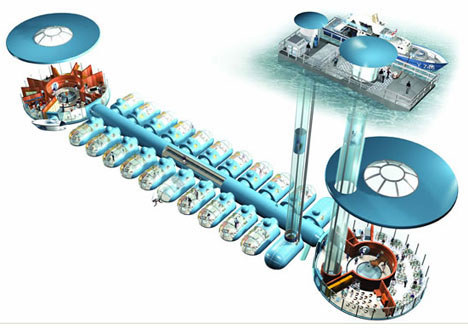
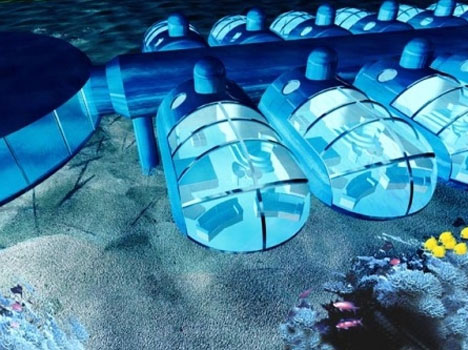
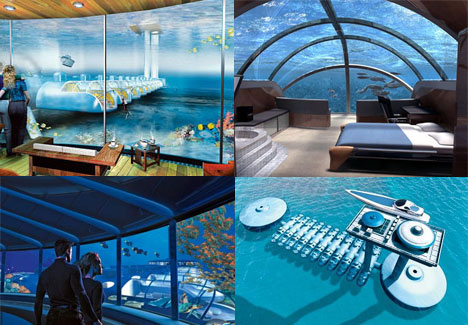
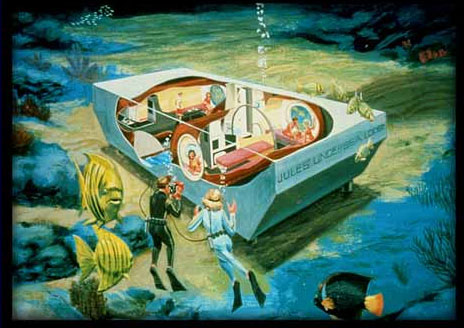
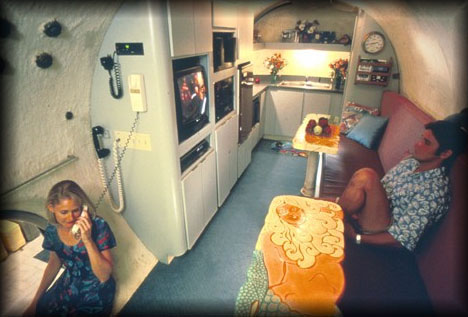
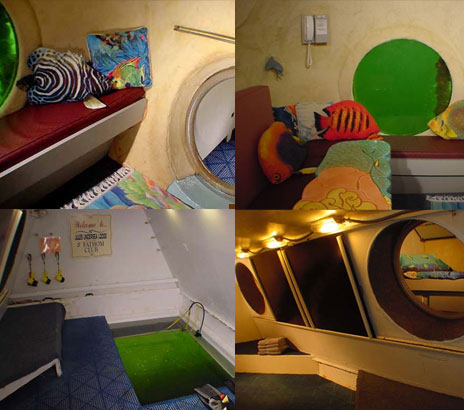
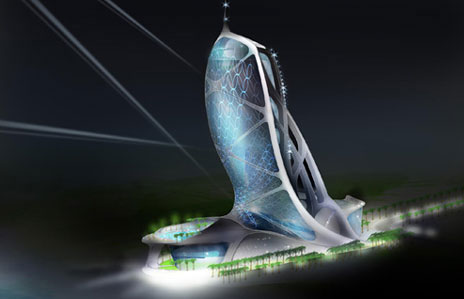
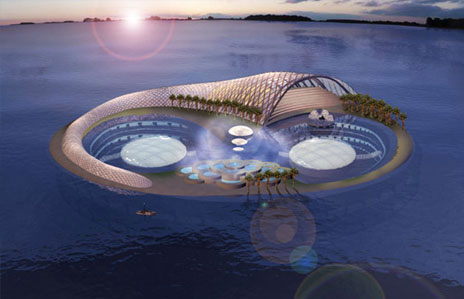
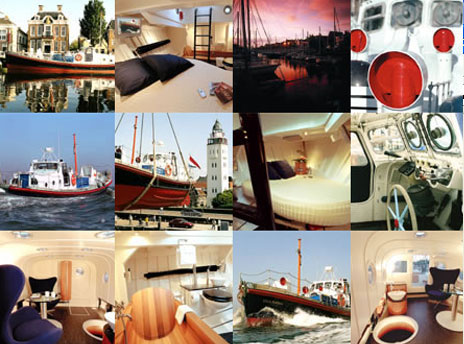
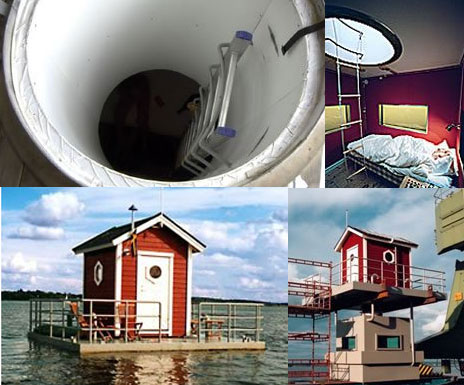
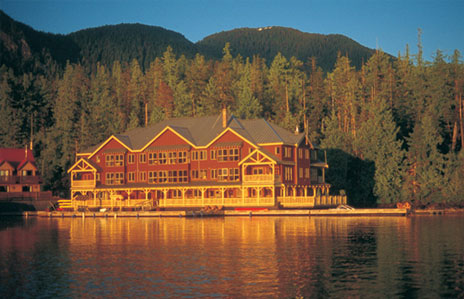
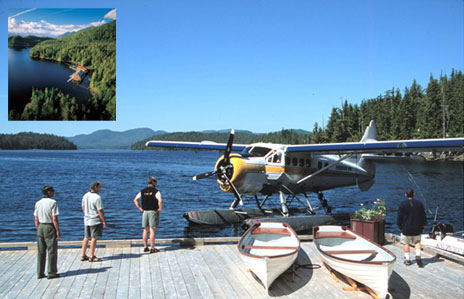
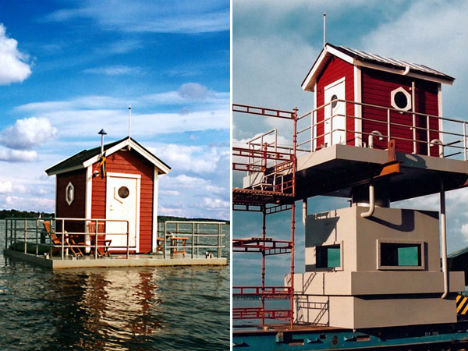
 underwater-hotel-complex-south-pacific.jpgunderwater-hotel-perspective-renderings.jpg Unannounced, South Pacific: The Poseidon Mystery Island is competing for the title of the world's first luxury underwater resort. The complex will be designed by Bruce Jones, famous for designing a series of $80-million luxury submarines with their own private state rooms and plush carpets, designed for voyages of up to three weeks in length. The project will cost $105 million and will be submerged next to a private island at a depth of 40 feet with an amazing view of the ocean floor.jules-sumberged-hotel-rendering.jpgjules-submerged-research-station-hotel.jpgjules-submerged-hotel-images.jpgjules-submerged-hotel-floor-plan.jpgKey Largo, Florida: Jules' Undersea Lodge was once an underwater research habitat but is now open to the public (if they can afford to pay). These lodgings, once submerged, are completely cut off from the outside world accept via diving access. Guests can stay in them under the water for days and enjoy air conditioning, hot showers, music, television and abundant food and drink.hydropolis-dubai-land-station-complex.jpghydropolis-dubai-underwater-luxury-hotel.jpg Dubai, United Arab Emirates: The Hydropolis is set to be the world's first luxury underwater hotel when it is completed. It will have a land station with a tunnel connecting guests to the 220 submerged suites by train. Other above-water amenities include a concert hall and ballroom. The above video shows a virtual tour of the construction process-in-motion.lifeboat-hotel-exterior.jpglifeboat-hotel-netherlands-various-images.jpgHarlington, Netherlands: The Lifeboat Hotel was used for over 100 rescues throughout the middle of the 20th century and saved dozens of lives. The 'hotel' is still seaworthy and be taken out during the day for excursions, then in the morning and at night elegant meals are delivered to the ship. This portable hotel is owned and operated by a group also responsible for converting an adjacent crane and lighthouse into hotels.utter-hotel-floating-and-underwater.jpgStockholm, Sweden: The Otter Inn is part art project, part underwater accommodation, and is part floating and part underwater as well. An underwater sleeping quarters is submerged below a strangely floating traditional Swedish red house. Guests are ferried by boat to their lodgings and then delivered meals and given free reign to canoe to a local uninhabited island as well as to swim, fish and sunbathe.floating-canadian-hotel-lodge-resort.jpgfloating-hotel-plane-landing.jpgVancouver, Canada: The King Pacific Lodge is the most lavish resort lodge in the world, moored deep in the Canadian wilderness and designed to be entirely luxurious. Resting on the hulls of converted barges, the lodge prides itself on privacy and exclusivity, and can only be reached by private planes that land on the lake. offers fly-in fishing, kayaking and spa treatments as well as access to amazing views and wilderness hikes.


Montag, 9. April 2012

Nordic Nights: 12 Fun & Hip Hotels in Sweden

Nordic Nights: 12 Fun & Hip Hotels in Sweden

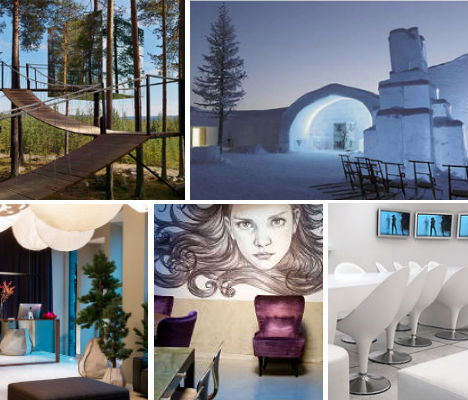
From the pristine northern forests to the bustling streets of Stockholm, Sweden has a lot to offer – and plenty of cool, unusual and visually stunning places to stay while you're visiting. In fact, if swanky art hotels with live glassblowing and painfully hip bars bursting with local patrons aren't cool enough for you, you can literally sleep on ice at the world's largest ice hotel. These 12 hotels range from the simplest hut in the woods to luxurious accommodations in historic buildings. 

ICEHOTEL, Jukkasjärvi

(images via: icehotel.com)
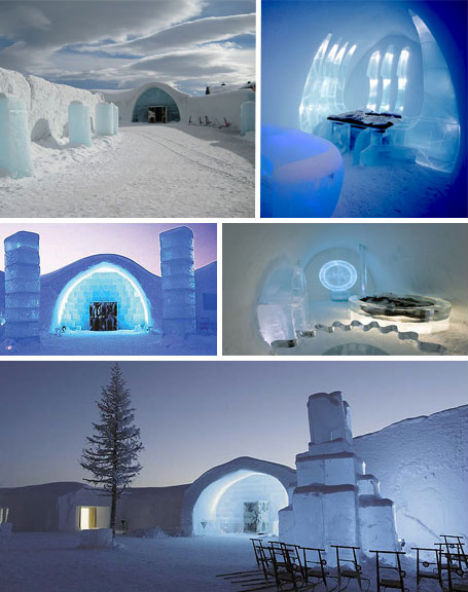
Sweden is home to the world's largest hotel made out of ice and snow. The ICEHOTEL began with a single igloo and now has 80 rooms, all made from over 10,000 tons of ice and 30,000 tons of snow. Available from mid-December to mid-April, the hotel is re-made and re-designed every year, with one-of-a-kind 'art suites', the world-famous Absolut Ice Bar, a restaurant and even an ice chapel.

TreeHotel, Harads

(images via: treehotel.se)
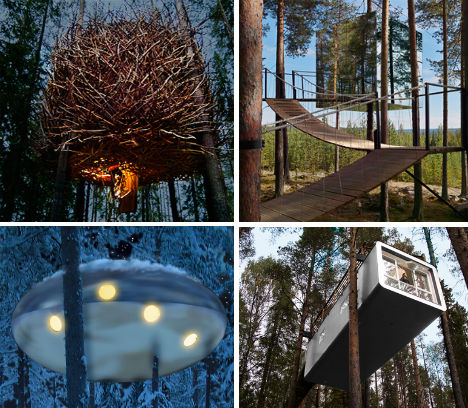
Stay in a stunning 'Mirrorcube' that reflects the surrounding forest, an oversized bird's nest, a pod that resembles a UFO or a roomier cabin at the Treehotel, Sweden's lofty new getaway in the pristine natural region of Harads. Each of the Treehotel's six guest rooms are perched in the trees for unforgettable views, and they all have private bathrooms with incinerator toilets. (Good to note: the Mirrorcube has been specially treated to prevent bird collisions!)

Nobis Hotel, Stockholm

(images via: nobishotel.se)
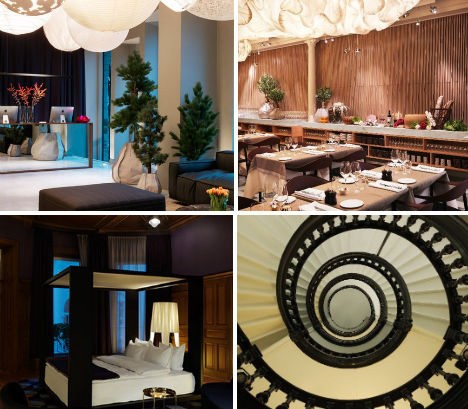
Taking visual inspiration from Sweden's wintry landscape, the crisp and elegant Nobis Hotel is not just a place to sleep – it's been called 'Stockholm's living room', with locals flocking to the cool contemporary bar and the hotel's Southern Italian-style bistro. Located in a pair of historic 19th century buildings, the 201-room hotel is within walking distance of Stockholm's best shopping and sightseeing.

Silvermine Suite, Sala

(images via: sophie andersson at salasilvergruva.se)
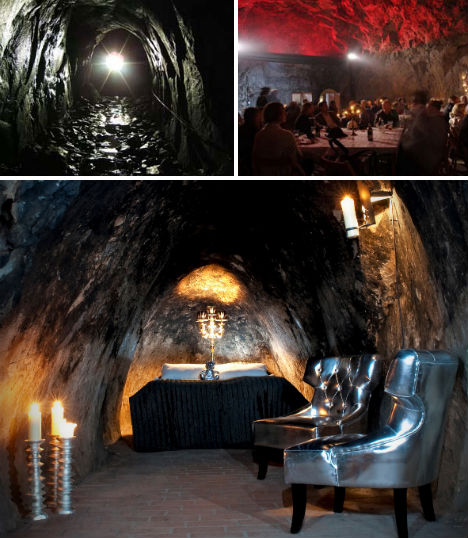
At the Sala Silvermine in Sweden, you can navigate dark winding underground passageways down to your own private cave. The Silvermine Suite is 155 meters under the surface of the earth in one of the world's best-preserved historic mines, which once produced over 3 tons of silver every year. For travelers who aren't claustrophobic and don't mind the cold, this could definitely be a once-in-a-lifetime experience.

Story Hotel, Stockholm

(images via: storyhotels.com)
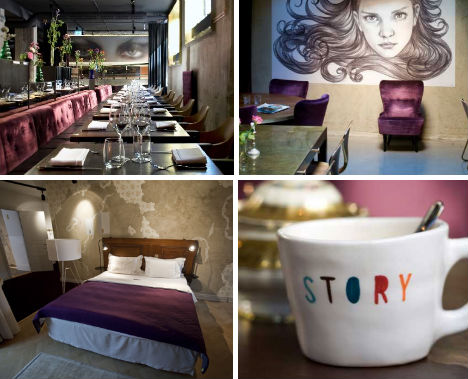
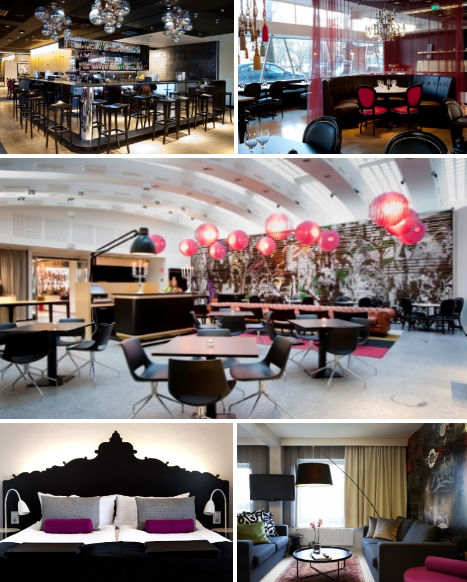
The bohemian-chic Story Hotel is a favorite of stylish urbanites, combining modern glamor with a welcoming sense of coziness enhanced by plenty of purple velour. Clean, bright new elements are combined with strategically revealed remnants of the building's former life as private residences including antique wallpaper, disused electric meters and reclaimed doors as headboards. Offering 82 guest rooms at affordable prices, the Story Hotel is ideally located right in the city center.

Kolarbyn Eco-Lodge, Skinnskatteberg

(images via: kolarbyn.se)
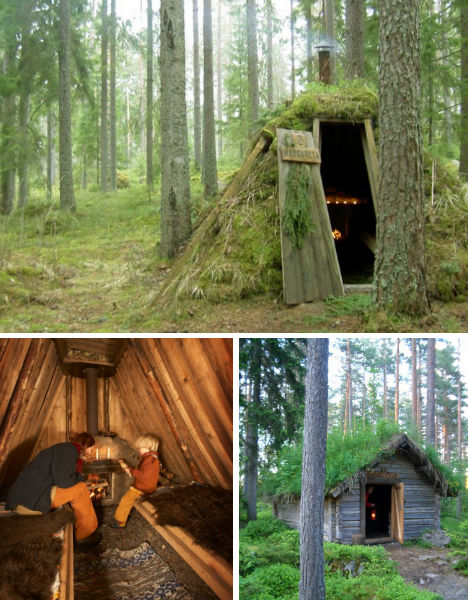
Set in a picturesque glade near the lake of Skärsjön, the Kolarbyn Eco-Lodge is Sweden's most primitive hotel, offering twelve electricity-free 'nature huts' that put you as close to the Swedish landscape as you can get without actually camping. You'll fall asleep on soft sheepskins by the glow of candles and the crackle of a warming fire, and enjoy an open-air breakfast when you awaken in the morning. Part of the proceeds of your stay will go toward protecting area wildlife.

Nordic Light Hotel, Stockholm

(images via: nordiclighthotel.se)
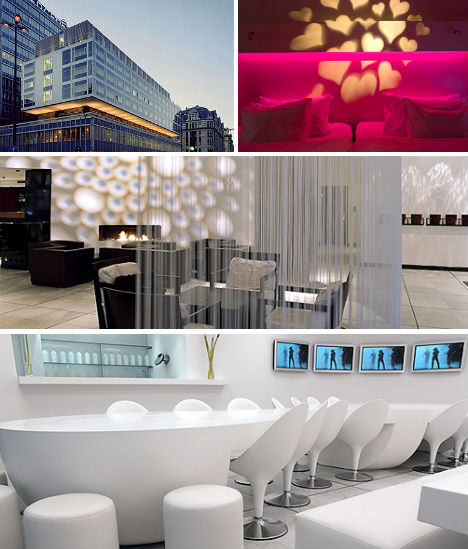
Voted Sweden's leading boutique hotel two years in a row, the Nordic Light Hotel in Stockholm is burstling with personality yet soothing to the eyes of weary travelers. Carefully chosen accent colors and lighting installations invite relaxation in the guest rooms, inspired by the long dawns and sunsets in the region which give off a glow of rainbow colors. The 175 rooms are divided into three categories – 'standard' for those who aren't keen on dramatic lighting effects, 'superior' for a little more character and 'deluxe' for a truly unique, almost otherwordly experience.

Utter Inn, Lake Mälaren

(images via: houseandhome.ie)
It looks almost like a joke – could you really stay in a space that small, the size of a garden shed? But the Utter Inn is bigger than it looks – its second story is located underwater. Floating in the middle of Lake Mälaren, Utter  Inn features two twin beds and a table in the bedroom and a small kitchenette in the upper room. Jump right off the hotel deck into the water, or just watch the fish from the windows in the bedroom.

Salt & Sill Floating Hotel, Klädesholmen

(image via: saltosill.se)
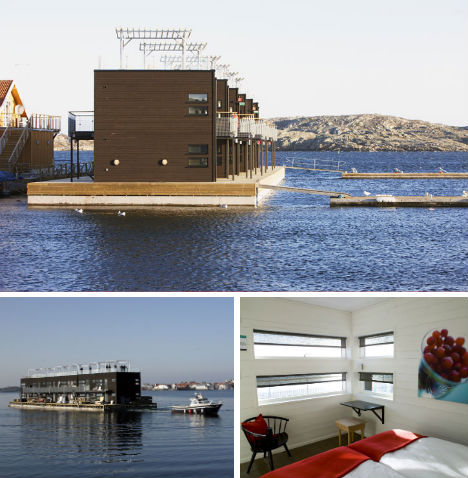
Like the lake idea, but want something slightly more conventional? Sweden has another floating hotel, the Salt & Sill, a minimalist 23-room barge that also serves as a top-notch seafood restaurant specializing in herring and fresh local produce. All 23 rooms have their own outdoor seating areas, but the hotel's sole suite has an extra-enticing benefit: a private roof-top jacuzzi. The hotel's location on the lake, by the way, is not a gimmick: the adjacent land simply didn't have any room.
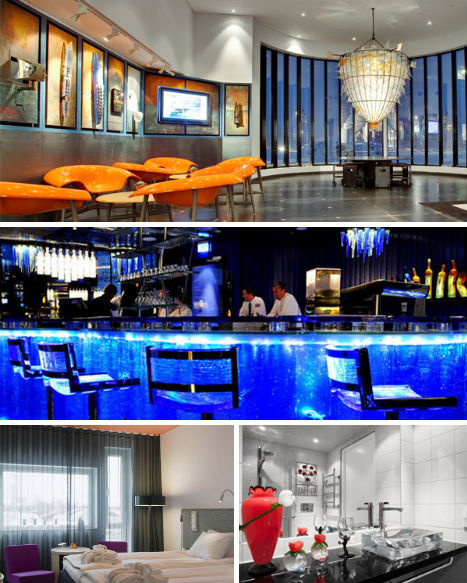
Jumbo Hostel Plane Hotel, Stockholm

(images via: jumbostay.se)
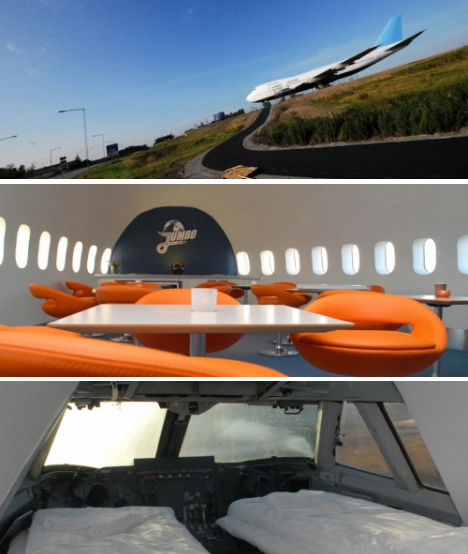
A junked 747-200 has a new life as a unique new hostel in Stockholm. Retrofitted with 25 guest rooms, from quad dormitories with bunk beds to private suites, the Jumbo Hostel retained the original lounge bar and first class seats, and some lucky visitors get to sleep in the cockpit, which has its own private bathroom.

Kosta Boda Art Hotel, Småland

(images via: kosta boda art hotel)
Located in the heart of Småland’s 'The Kingdom of Crystal', home to 13 glassworks, the eagerly anticipated Kosta Boda Art Hotel is a glittering showcase of glass art by the famed Kosta Boda. Each of the hotel's 124 rooms has been individually designed by the glass artists, and their influence is particularly notable in the hotel bar and in the spa, where swimmers can put on goggles to view a glass exhibit at the bottom of the pool. Take a seat in the restaurant and you can even watch Kosta Boda glassblowers blow and sculpt glass on a stage.

Scandic Malmen, Stockholm

(images via: scandichotels.com)
Fun and budget-friendly, the 327-room Scandic Malmen is located within walking distance of some of Stockholm's best live music venues in the trendy district of SoFo. A massive, blocky, unremarkable exterior gives way to interior design that matches the hipness of the hotel's location. The hotel restaurant is a popular choice among Stockholm residents for brunch.

Sonntag, 8. April 2012

Royal rides

Royal rides

The members of the Royal Family need a way to get to all of the more than 3,000 engagements they carry out each year. We look at their Royal rides, and find out what sets them apart from more everyday vehicles.


Royal_rides

Samstag, 7. April 2012

Secret Lives of drivers

Bad driving habits

Every day, men and women take to their cars to ferry them across town and country. But many of us are distracted. Confused.com surveyed 2,000 people to find out what potentially dangerous driving habits they may have picked up.

Secret-lives-of-drivers_-_bad_driving_habits

Freitag, 6. April 2012

Why you should take a holiday [infographic]

Eleven per cent of people in the UK have taken fewer holidays recently due to fears about their work and the economic situation, but this can be bad for you. We look at how people are getting away and why they should do it more often.

Why_you_should_take_a_holiday_infographic

Want vs. need: The never ending game [infographic]

Everyone struggles with balancing what they want to do with what they need to do. It is a constant tug-of-war and a never-ending game. More often than not, the needs take up all of our time with our wants left behind. That being said, TimeRazor developed this easy game to see if your needs win out over your wants, or vice versa.

To play:

1. Pick the boxes relevant to you

2. Tally up your points for WANTS and NEEDS separately

3. SUBTRACT your NEEDS from your WANTS to get your final score

(Click on the infographic below to learn more.)


Want_vs


Mittwoch, 4. April 2012

Japanese Researchers Developing Interactive Plants That Will Wave At You

Japanese Researchers Developing Interactive Plants That Will Wave At You

In case you thought nature and plantlife were still pleasantly removed from the world of interactivity, researchers in Japan are here to change that. Researchers at Keio University are working on creating plants designed to react to and convey emotion. Basically, they’re taking cues from Jim Henson and turning plants into puppets:

The plants are attached to motors underneath their pots by a series of threads wrapped around a selection of their leaves and branches. These motors are in turn connected to a microphone and a motion sensor. Then, when the motion detector notices you tripping over the pot, or the microphone picks you up mumbling under your breath about “that stupid potted tree,” it triggers the motors and whips the plant into a frenzy of enthusiastic puppetry as if to say “I heard that, jerk!”

The researchers have found no evidence that all these motors and sensors are doing damage to any of the plants they are working with. And for that reason, they'd like to scale this technology for many more plants (big and small).

We live in a particularly interactive age. Sometimes it seems like you’re hard-pressed to find a thing that isn’t interactive in one respect or another without locking yourself in a closet and sitting among the shoes in the fetal position. If researchers at Keio University in Japan have their way, yet another thing will be pulled into the wide world of interactivity: Plants. Interactive plants, which seem to serve little purpose beyond being interactive, are designed to react to and convey emotions. How? Basically, by turning into puppets.


The plants are attached to motors underneath their pots by a series of threads wrapped around a selection of their leaves and branches. These motors are in turn connected to a microphone and a motion sensor. Then, when the motion detector notices you tripping over the pot, or the microphone picks you up mumbling under your breath about “that stupid potted tree,” it triggers the motors and whips the plant into a frenzy of enthusiastic puppetry as if to say “I heard that, jerk!”

The plants are able to express a series of emotions, or at least, emulate them. The motors and sensors are designed to move the plant’s branches in different ways to simulate different emotions. These choreographed emotional dances were developed by humans who played with actuators and decided that this kind of shake looks like laughing while another looks like seething rage. It’s a matter of opinion as to whether or not they were particularly successful.

Over the course of a year of development, the researches have found no evidence that these calisthenics harm the plants in any way, despite fears that they might. That being the case, they want to scale this technology for all kinds of plants, large and small, so that plants may “[move] freely in places where people go about their lives.” Get ready for emotional trees, folks. And brace yourselves because who knows what’s next. Maybe emotional mosses, or algae.

(via Ubergizmo)

James Bond Ultimate Vehicles – Infographic

James Bond celebrates his 50th anniversary at the movies this October and, to celebrate the extraordinary vehicles over the years we have put together this infographic detailing the best and most memorable.


The_james_bond_ultimate_vehicle_guide_infographic

What Your Wallet Says About You [infographic]

What Your Wallet Says About You  [infographic]


What_your_wallet_says_about_you

Aeolus the giant stringed musical instrument, an acoustic and optical pavilion


Photo by Andy Spain

Aeolus in Salford, MediaCityUK

13/24

Aeolus - Acoustic Wind Pavilion

Aeolus - ruler of the four winds in Greek mythology.

Aeolus is a giant stringed musical instrument, an acoustic and optical pavilion designed to make audible the silent shifting patterns of the wind and to visually amplify the ever changing sky.

The sculpture a giant aeolian harp, designed to resonate and sing with the wind without any electrical power or amplification. Vibrations in strings attached to some of the tubes are transferred through skins covering the tops, and projected down through the tubes towards the viewer standing beneath the arch.

Aeolus sonifies the three dimensional landscape of wind, using a web of aeolian harp strings. Almost like cats' whiskers sensitive to the slightest touch, the stings register the shifting landscape of wind around the artwork to be heard by visitors. The aim is for the public to be able to visualise this shifting wind map by interpreting the sound around them.

Sound of Aeolus at Eden Project 

For those tubes without strings attached, the tubes are tuned to an aeolian scale and hum at a series of low frequencies even when its not windy.

Optical Pavilion

Beneath the arch a viewer can look out through a field of 310 internally polished stainless steel tubes simultaneously, each of which draws the landscape of light through the structure whilst humming at a series of low frequencies. These light pipes act to frame, invert and magnify the landscape around the pavilion enabling the viewer to contemplate an ever changing landscape of light. As the clouds and sun move across the sky throughout the day, the visual experience for the public will dramatically alter minute by minute, hour by hour.

" I was bowled over by Aeolus – it was mesmerising – a truly beautiful and calming piece – fantastic project – thank you for the experience.Maggie Bolt. Previous Director of Public Art South West.

Inspired by Nature, Engineering, Acoustics and Architecture.

An investigation into acoustics, wind, architecture and light, Aeolus was inspired by Luke Jerram's research trip to Iran in 2007 where he explored the mosques of Isfahan and interviewed a Qanat desert well digger about his life. The well digger spoke of the wells singing in the wind which led Jerram to investigate the acoustics of architecture and create this new work.

Designed to Inspire

The artwork was commissioned to inspire the public and engage them in the subjects of engineering, acoustics and aerodynamics. Aeolus sculpture and associated science public engagement is the result of a collaboration between Luke Jerram and Institute of Sound and Vibration Research at the University of Southampton and The Acoustics Research Centre at the University of Salford. Watch video of Dr Ian Drumm, acoustic scientist from Salford University's Acoustic Research Centre discusses its acoustic properties.

Slide show and interview with Luke Jerram about the artwork..

Additional Acoustic Properties 

As the arch is double curved, (a wedge section taken from a sphere) acoustics under the arch are extraordinary. The arch acts as an acoustic lens, focusing any sounds made by the tubes (or by a visitor standing under the arch) to a central point. A bizarre echo can be heard.  Jerram witnessed this effect whilst in Iran studying the geometry and acoustic properties of mosques. See film on you tube.

Discovered by chance, the wider end of the arch also acts as a mild sonic crystal filtering sounds from one side of the tubes to the other.